Understanding the WorldTour Structure
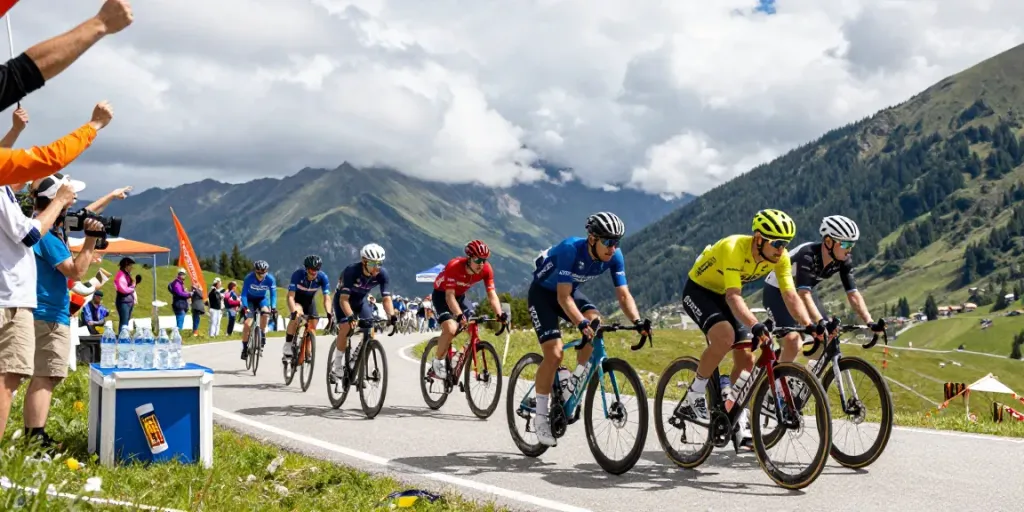
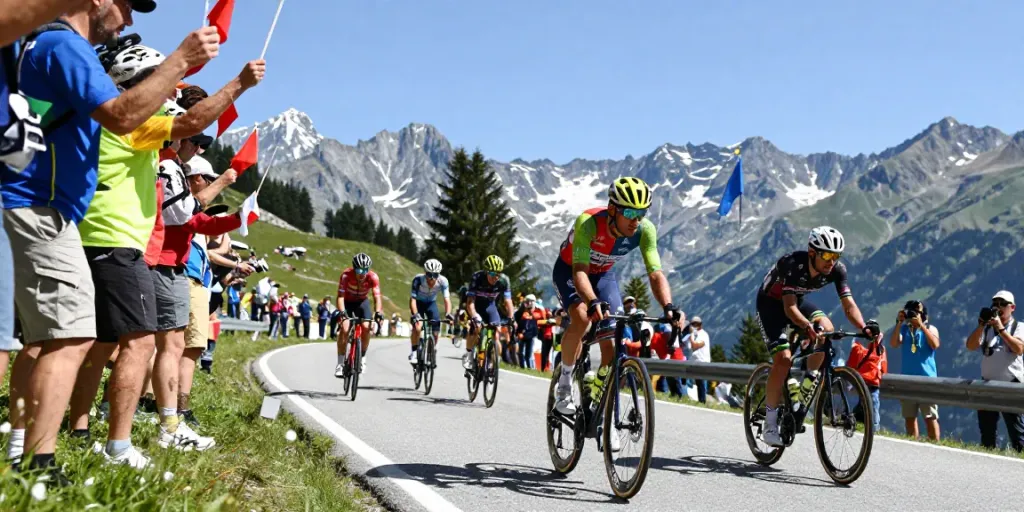
The UCI WorldTour is the pinnacle of professional men's road cycling, comprising a series of prestigious races that span the globe. It is not just a competition; it represents the highest level of the sport, showcasing the most talented athletes and teams in cycling. For 2026, the WorldTour promises thrilling competitions from early-season classics to grand tours, captivating cycling enthusiasts worldwide. To gain deeper insights into this vibrant and competitive structure, WorldTour provides comprehensive analysis and updates on races, riders, and results, ensuring fans remain engaged throughout the season.
What is the WorldTour and its Importance?
The UCI WorldTour functions as the elite tier of cycling, established to unify the various major races under a single governance framework. This organization categorizes events that significantly influence the professional cycling calendar and rankings. The importance of the WorldTour extends beyond the competitive aspect; it profoundly impacts sponsorships, media coverage, and even local economies, as cities hosting these races witness an influx of tourism and interest in cycling culture.
Key Events in the 2026 WorldTour Calendar
Each year, the WorldTour encompasses a diverse range of events that test riders' versatility and endurance. In 2026, key events include:
- The Tour de France: The most prestigious cycling race, covering more than 3,500 km over 21 stages.
- Giro d'Italia: Known for its challenging mountain stages and the iconic pink jersey.
- Vuelta a España: A three-week race that offers a mix of flat and mountainous terrains, often culminating in thrilling conclusions.
- Spring Classics: Events like Paris-Roubaix and the Tour of Flanders present unique challenges, especially for sprinters and cobblestone specialists.
Differences Between WorldTour and Other Cycling Tours
While there are several cycling tours around the world, the UCI WorldTour stands out due to its stringent selection criteria for races and participants. Unlike the UCI ProSeries or regional circuits, only the top teams receive invitations to compete in WorldTour events. This exclusivity ensures that the races feature the best athletes, making them highly competitive and prestigious.
Major Teams and Riders to Watch in 2026
Notable WorldTour Teams Competing This Year
The competition in the 2026 WorldTour is fierce, with several key teams poised to dominate. Notable teams include:
- UAE Team Emirates: Home to star rider Tadej Pogačar, this team consistently competes for overall titles across major tours.
- INEOS Grenadiers: Known for their robust strategies and elite riders, they remain a top contender in every race.
- Jumbo-Visma: With a strong lineup and tactical expertise, this team aims to build on their recent successes.
Rising Stars of the 2026 WorldTour
As the sport evolves, fresh talent emerges to challenge established riders. In 2026, keep an eye on young stars like:
- Andreas Leknessund: A promising talent from Norway who has shown exceptional climbing ability.
- Tom Pidcock: The British cyclist has already made waves in various races, demonstrating a unique skill set as both a climber and a sprinter.
- Remco Evenepoel: This young Belgian cyclist is already a fan favorite and a serious contender for major titles, noted for his aggressive racing style.
Legendary Riders and Their Impact on the Tour
While new talent is vital for cycling’s future, the legacy of legendary riders shapes the sport's culture. Icons like:
- Philippe Gilbert: Known for his versatility and resilience, Gilbert remains a significant figure in the peloton.
- Peter Sagan: With his charismatic personality and impressive sprinting capabilities, Sagan continues to inspire future generations.
These athletes not only elevate their teams but also contribute to the narrative of cycling history.
Challenges and Opportunities in the 2026 WorldTour
Impact of Weather on Race Outcomes
Weather plays a crucial role in shaping the outcomes of WorldTour races. Conditions such as rain, wind, and extreme temperatures can dramatically affect riders' performances and strategies. For example, rainy conditions may lead to tactical adjustments, where teams employ different riding techniques to maintain control and minimize risk on wet roads.
Technological Advances in Cycling Gear
As technology rapidly evolves, so does the equipment used in the WorldTour. Innovations in aerodynamics, lightweight materials, and gear efficiency are critical for rider performance. In 2026, expect breakthroughs in bike technology that enhance speed and safety, offering teams new opportunities to gain an edge over their competitors.
Logistical Challenges for Teams and Events
Logistics is another layer of complexity in the WorldTour. Teams must manage travel, accommodation, and support staff across varied locations. Each race presents unique logistical challenges, from the transportation of bicycles to the scheduling of training sessions. Teams that excel in this area often find success on the road.
Strategies for Success in the WorldTour
Training Regimens of Elite Cyclists
Success in the WorldTour requires not only natural talent but also stringent training regimens. Cyclists incorporate various training techniques, including:
- Interval training to build speed and endurance.
- Strength training to enhance power output on climbs.
- Recovery days to allow muscles to repair and grow.
Nutrition and Recovery Techniques for Riders
Nutrition is equally crucial, with teams employing sports dietitians to optimize meal plans tailored to individual needs. Recovery techniques, such as massage therapy and ice baths, are vital for maintaining peak performance throughout the grueling season.
Race Strategies for Climbs and Sprints
Riders and teams develop race strategies that account for course profiles. Climbers focus on pacing and conserving energy for steep ascents, while sprinters prepare for tactical positioning leading into the finish line. Analyzing course data helps teams tailor their strategies effectively.
Future Trends for the WorldTour Beyond 2026
Predictions for Emerging Cycling Talents
Looking beyond 2026, cycling is set to witness the rise of new talents. The influx of junior cyclists is encouraging, with more young athletes showing promise in both road racing and mountain biking. This trend suggests a vibrant future for the sport as these talents develop under the guidance of experienced professionals.
Changing Dynamics in Team Strategies
As competition heats up, teams will likely adapt their strategies, focusing on data analytics to enhance performance. The use of technology to evaluate rider strengths, weaknesses, and race conditions will continue to influence tactical decisions during races.
Global Expansion of Cycling as a Sport
The popularity of cycling is on the rise globally, driven by an increasing awareness of health and fitness. As more people take up cycling, participation in junior programs will help cultivate the next generation of cyclists. This expansion could lead to more competitive fields in the WorldTour and increased interest from sponsors.
What are the Key Dates for WorldTour Races?
For cycling enthusiasts, keeping track of key dates in the WorldTour calendar is essential. Major events typically take place throughout the spring, summer, and fall, with specific dates confirmed in advance, ensuring fans can participate in or watch each race.
How Do Riders Qualify for the WorldTour?
Rider qualification for the WorldTour involves a combination of performance metrics and team contracts. Riders must prove themselves in various competitions, earning points that contribute to their overall ranking.
What is the Importance of Sponsorship in the WorldTour?
Sponsorship plays a vital role in the financial viability of WorldTour teams. Companies invest significantly to promote their brands, providing essential funding for riders, staff, and the logistics of participation in events.
How Does the WorldTour Affect Local Economies?
The economic impact of hosting WorldTour events can be substantial. Local businesses often see increased revenue from tourism, while cities enhance their visibility on the international stage, fostering a deeper connection to cycling culture.
What are the Major Rules and Regulations of the WorldTour?
The WorldTour operates under a strict set of rules and regulations enforced by the UCI. These guidelines cover race conduct, equipment standards, and eligibility criteria for teams and riders, ensuring fair competition.